Cart
0
The fashion industry is showing rapid growth in recent times. It is moving towards greater possibilities and impact. Not to forget, the fashion industry for women is undergoing change that shifts the entire momentum. In the era of digital shopping, the new powerful model of Direct-to-Consumer (D2C) fashion is becoming the mainstream line of the fashion business.
Instead of relying on traditional retail channels, wholesalers, multi-brand stores, or large malls, brands now sell directly to customers through online platforms, their own websites, and social channels. This is what D2C fashion is all about. It’s reshaping opportunities, creativity, access, and empowerment for women across the country.
Whether it’s exclusive collections, personalised experiences, inclusive sizing, or community building, D2C fashion is rapidly becoming a force to reckon with. Let’s understand the direct to consumer fashion in more detail:
- Digital Transformation:
D2C fashion is changing the fashion industry for women. With affordable smartphones, fast internet, and a flourishing e-commerce ecosystem, this is how fashion is trying to reach everyone in a swift manner.
Whether it is exploring shopping apps online or through blogs, reels and social media feeds, these are the direct getaways to buying online and finding the right item for you. It is an easier way to lead a lifestyle that you want for yourself.
The Internet has changed the way the world sees fashion by allowing them to explore more styles, fits and brands without stepping into the physical store.
-
More Choice, Better Fit, and Personalisation:
Traditional retail has its limitations as it works on traditional sizes. But D2C fashion is working on the no one size fits all rule. D2C fashion is using consumer data such as style references, past purchases, and feedback to design clothes that truly reflect what women want.
The trends are changing and women are understanding fashion in a new sense. They have better awareness of self and different choices to make among the options available, including choosing personalised fits.
-
Empowering Women Entrepreneurs
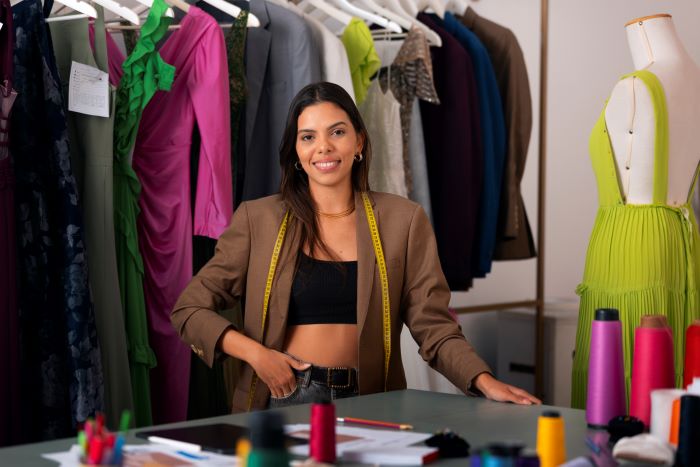
Today, more and more women are interested in understanding the impact of the direct-to-consumer model. Women are now launching and leading fashion brands by bringing fresh perspectives.
This signals a deeper shift.as it is time for women to shape the fashion game and address the market gaps. This is empowering women to make a life that feels purposeful and take the fashion industry towards more growth and fulfilment.
Women entrepreneurs are carving a niche for themselves and are also developing deep community engagements that help them to connect deeply with the styles, choices and demand of the market situation. Empowerment by women entrepreneurs should always be authentic and real.
-
Better Value And Transparency:
Direct to consumer means no intermediaries in between. When brands sell directly to customers, they are reducing costs and saving time. This leads to better prices and higher quality. Also, D2C brands are transparent about their products, fabric quality, manufacturing practices, sustainability commitments, and pricing logic.
This gives women Indian shoppers a chance to balance budgets and build trust. This also leads to quality expectations and informed choices. The brand value is enhanced and consumers come back to shop again, resulting in profits and more reach.
Conclusion: The future of D2C industry for women:
The future of Indian D2C fashion looks vibrant. With digital innovation, deeper consumer insights, and evolving cultural influences, women will have more control over how they discover, choose, and wear fashion. This isn’t just a retail shift, it’s a cultural shift.
Whether it’s celebrating diverse identities, championing sustainable practices, or redefining community-driven commerce, the D2C revolution is helping Indian women participate more fully as shoppers, creators, and leaders in shaping the way fashion looks and feels in India.